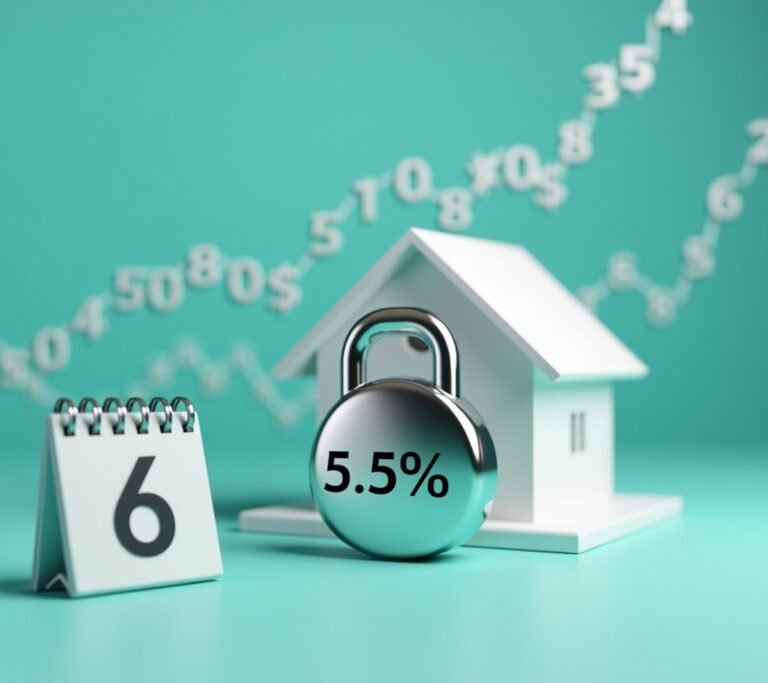
Mortgage Rate Lock: When to Lock and How Long to Lock For
Locking your rate protects you from increases during closing — but lock too early and you may pay a premium. Here's how to time it right.
Locking your rate protects you from increases during closing — but lock too early and you may pay a premium. Here's how to time it right.

Prequalification is a soft estimate; preapproval is a verified commitment. Here's what each requires, how long they take, and which sellers prefer.

Each mortgage point costs 1% of your loan and lowers your rate ~0.25%. Here's the break-even math to see if buying points actually pays off.

A payoff letter shows the exact amount needed to close your loan — and it's required to refinance or sell. Here's how to request one and read it.

You have the right to cancel PMI once you hit 20% equity — but lenders won't always do it automatically. Here's exactly how to request removal.

Forbearance pauses payments; deferral moves them to the end. Both can protect you in hardship — but one has a much bigger long-term cost.

Escrow collects your taxes and insurance with each payment. But shortfalls can raise your monthly payment unexpectedly. Here's how it all works.
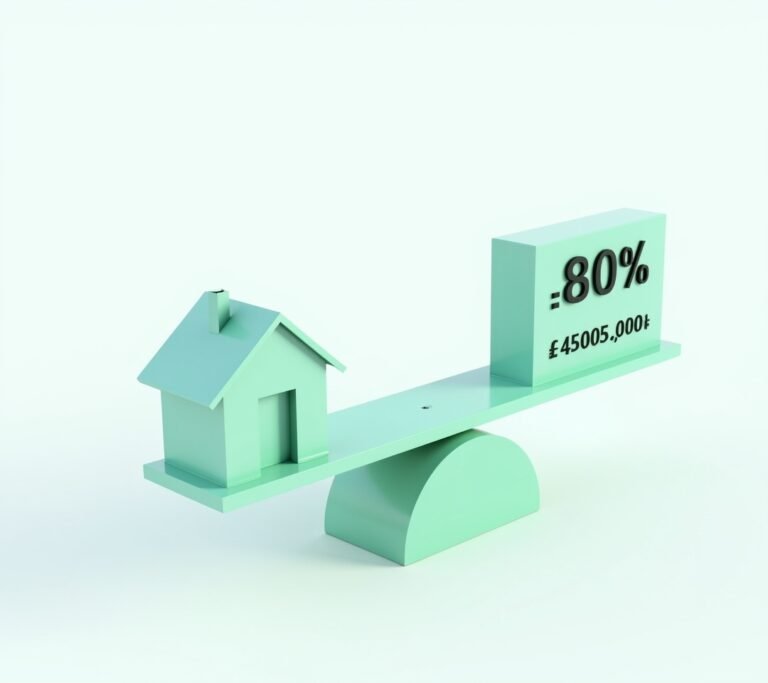
Your LTV ratio — loan balance divided by home value — directly affects your mortgage rate and whether you pay PMI. Here's how to use it strategically.
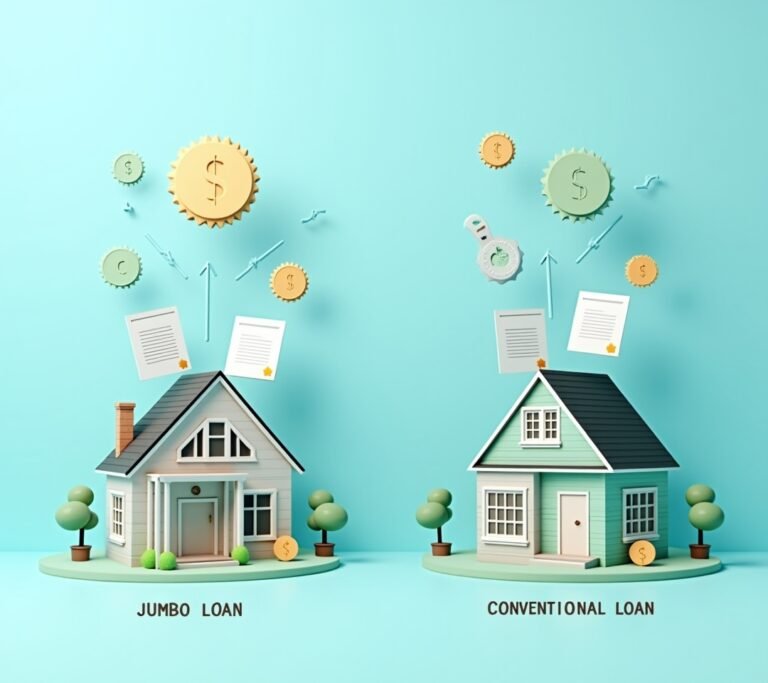
Once your loan exceeds the conforming limit (~$766,550), different rules apply. Here's how jumbo loans differ on rates, down payments, and underwriting.