
What Happens to Your Mortgage When You Sell Your Home?
When you sell, your mortgage gets paid off from proceeds at closing. Here's how payoff amounts are calculated, what fees apply, and what you keep.

When you sell, your mortgage gets paid off from proceeds at closing. Here's how payoff amounts are calculated, what fees apply, and what you keep.
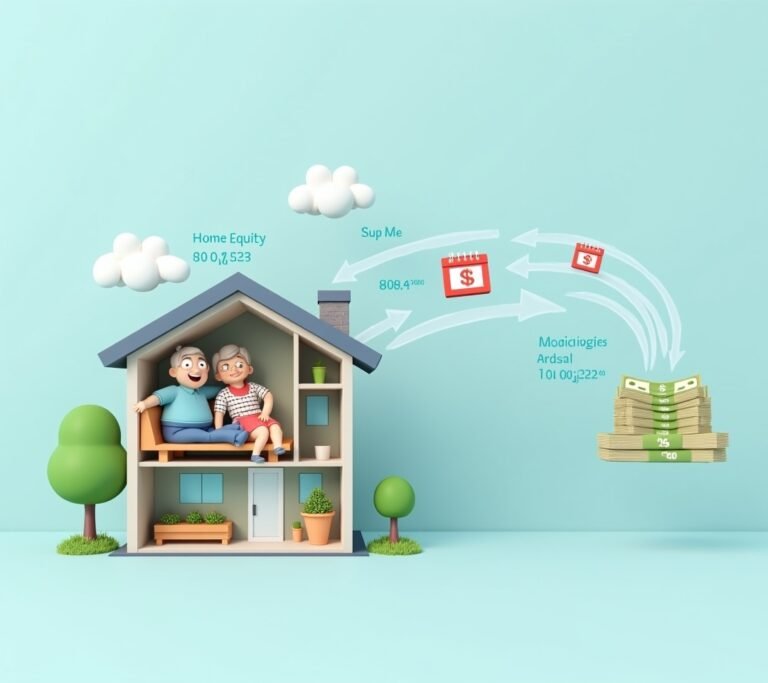
A reverse mortgage lets homeowners 62+ turn equity into income — with no monthly payments. But the costs add up fast. Here's the full picture.

A mortgage recast lets you make a lump-sum payment and re-amortize your loan for a lower monthly payment — without refinancing or resetting your rate.

Locking your rate protects you from increases during closing — but lock too early and you may pay a premium. Here's how to time it right.

Prequalification is a soft estimate; preapproval is a verified commitment. Here's what each requires, how long they take, and which sellers prefer.

Each mortgage point costs 1% of your loan and lowers your rate ~0.25%. Here's the break-even math to see if buying points actually pays off.

A payoff letter shows the exact amount needed to close your loan — and it's required to refinance or sell. Here's how to request one and read it.

You have the right to cancel PMI once you hit 20% equity — but lenders won't always do it automatically. Here's exactly how to request removal.
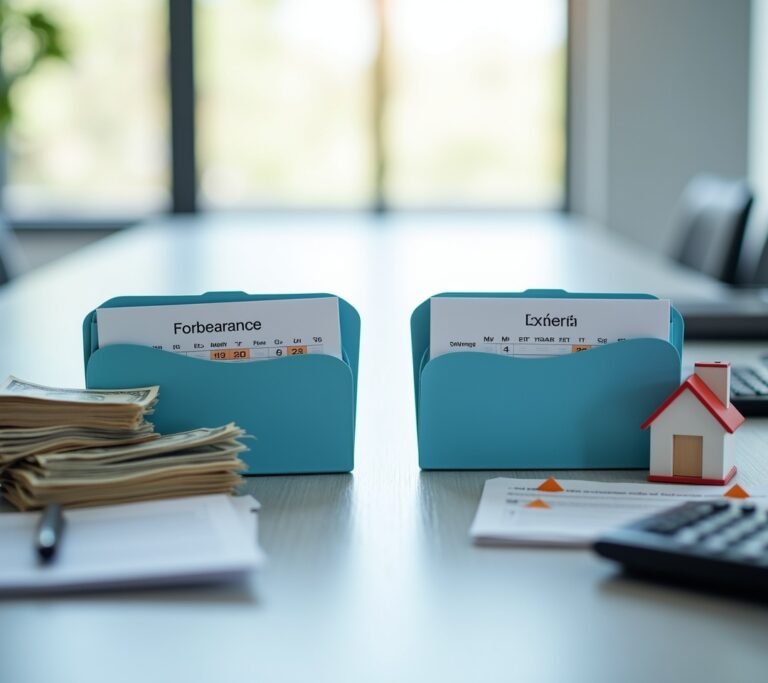
Forbearance pauses payments; deferral moves them to the end. Both can protect you in hardship — but one has a much bigger long-term cost.